
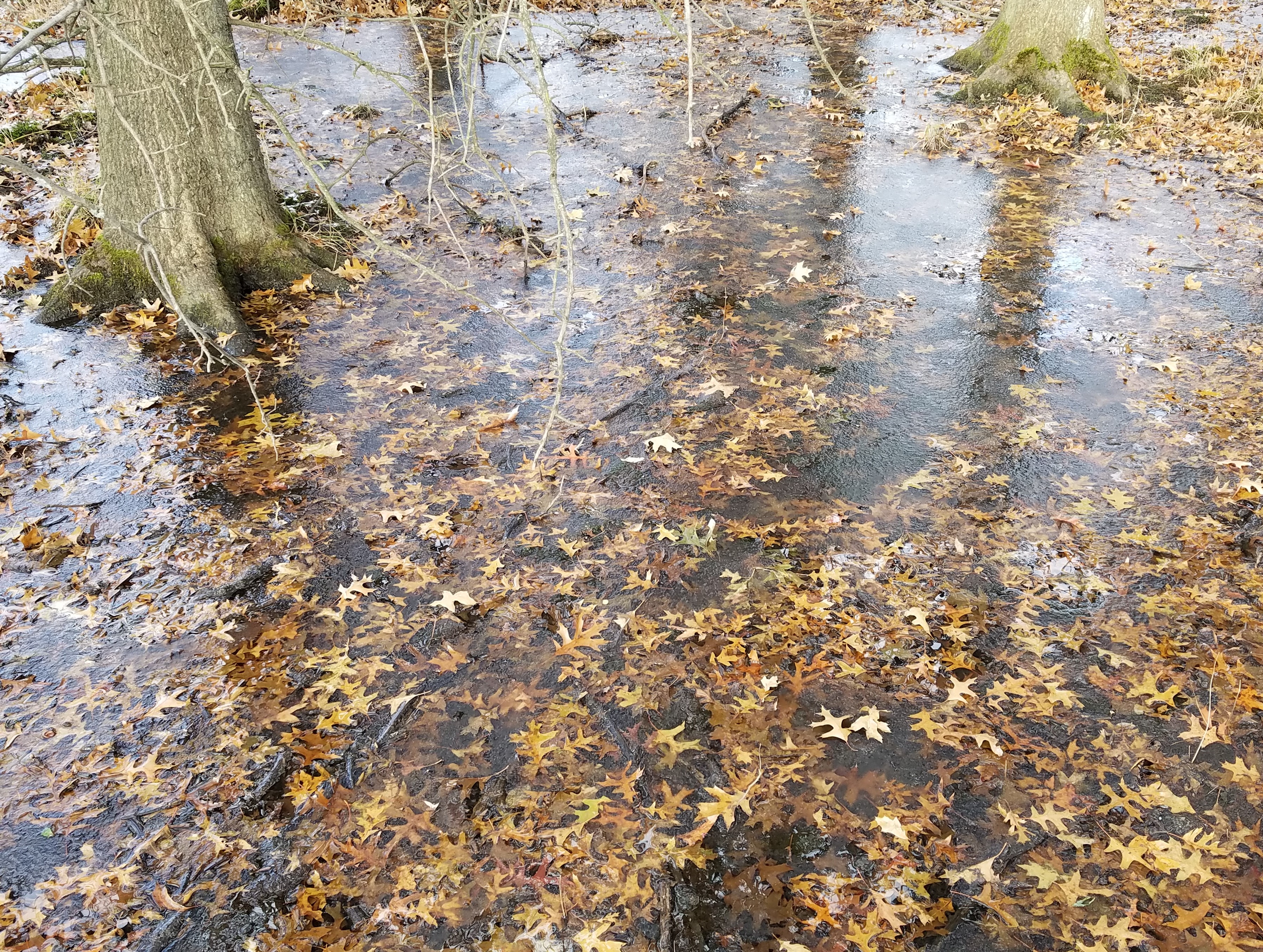
Most trees and shrubs have shed their leaves over the past few weeks, rapidly transforming our brightly colored autumn landscape to one dominated by drab browns and grays. While the loss of leaves and the associated color may be disheartening to some, their absence provides an excellent opportunity to observe bird nests, squirrel nests, bald-faced hornet nests, unusual tree bark, and other features that have been hidden from view the past several months. This is an outstanding time to hike established trails and the edges of fields and woods to discover what has recently been revealed.
Leaf drop also provides a bonanza for many organisms, both terrestrial and aquatic, that rely on leaves for food. A variety of soil invertebrates feed on leaves (and/or fungi and bacteria on leaf surfaces), shredding them and assisting with the recycling process that returns leaf nutrients back into the soil for continued use by trees and other plants. Examples of these invertebrates include earthworms, snails, slugs, sow bugs, pill bugs, millipedes, springtails, nematode worms, and soil mites. Similarly, a variety of aquatic invertebrates feed on leaves that fall into streams. These organisms include leaf shredders (e.g., isopods, and juvenile stages of certain species of crane flies, caddis flies, stone flies, and water beetles) as well as filter feeders (e.g., juvenile stages of certain species of midges, blackflies, and caddis flies). Leaves and the terrestrial and aquatic organisms that feed on them are essential components of food webs associated with forest and stream ecosystems.
Recommended Nature Jaunts this Week:
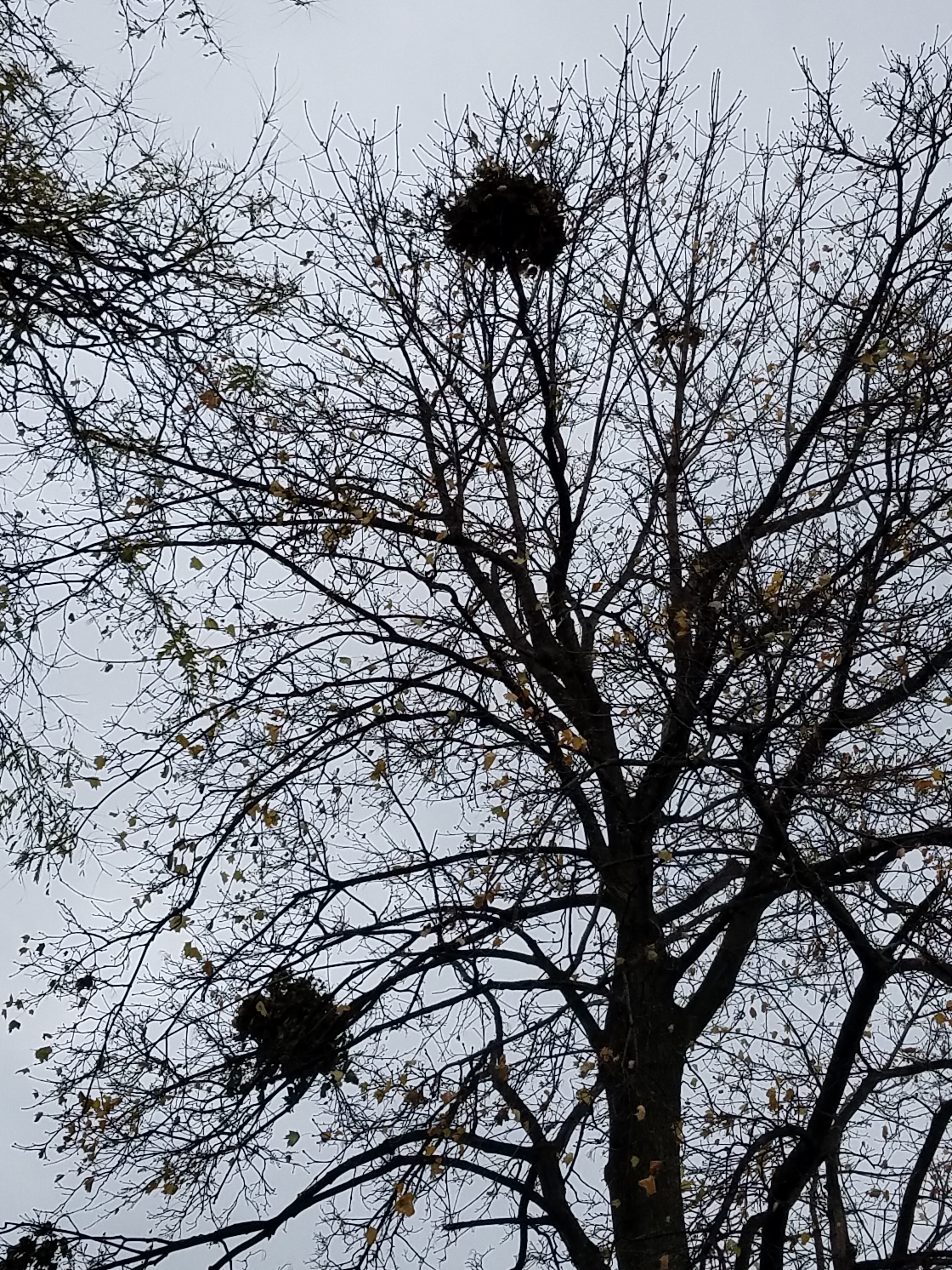
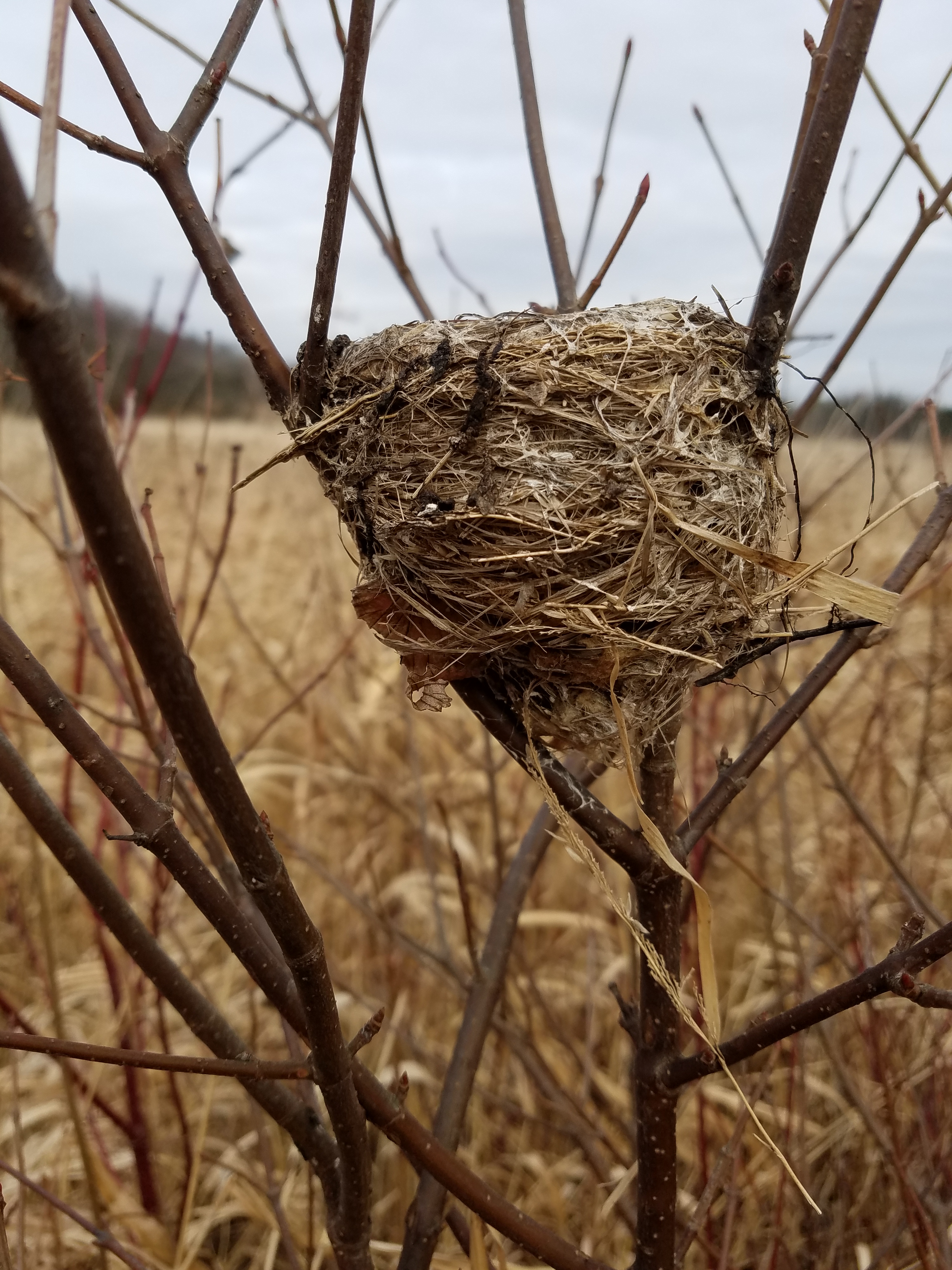
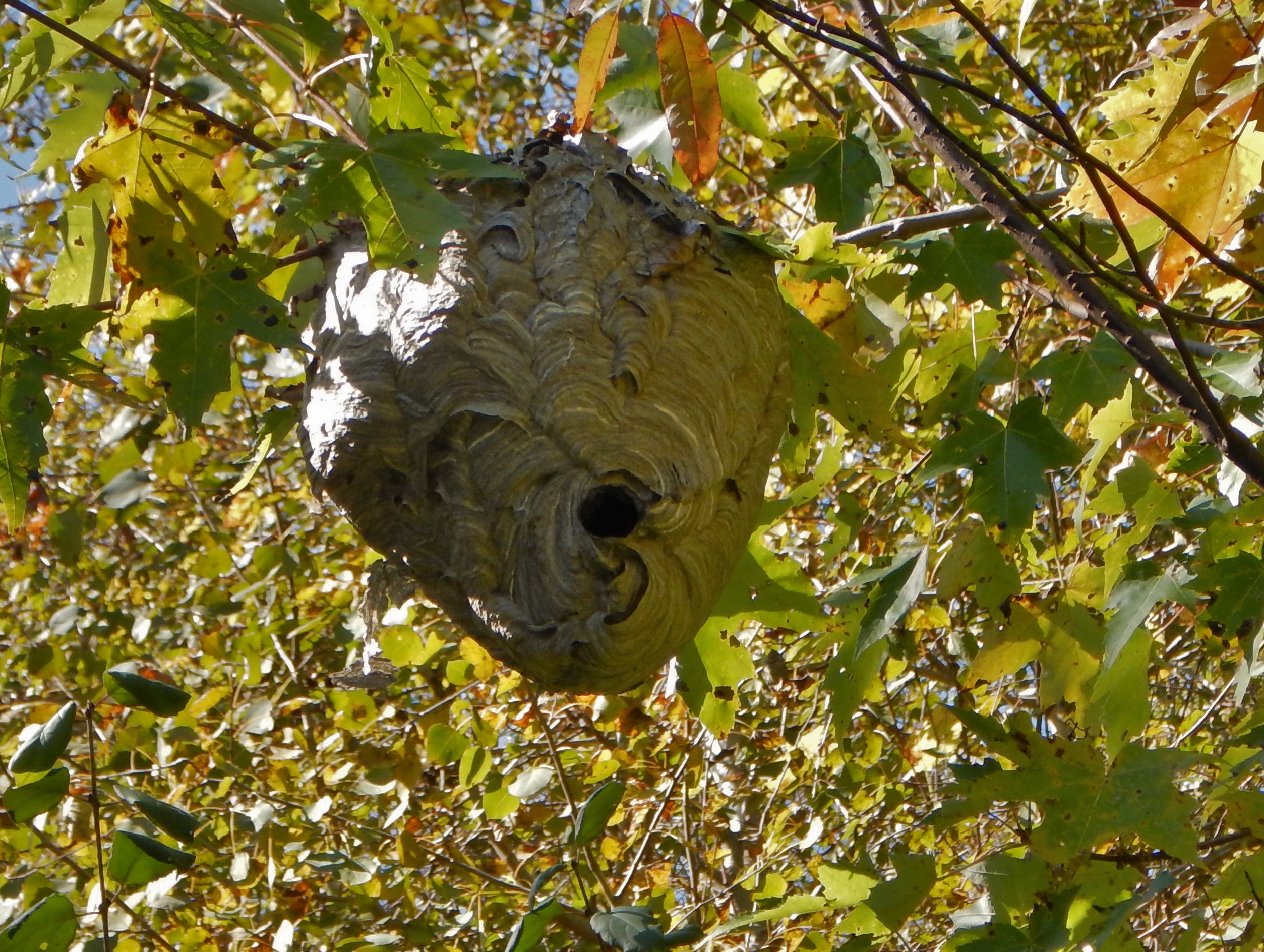
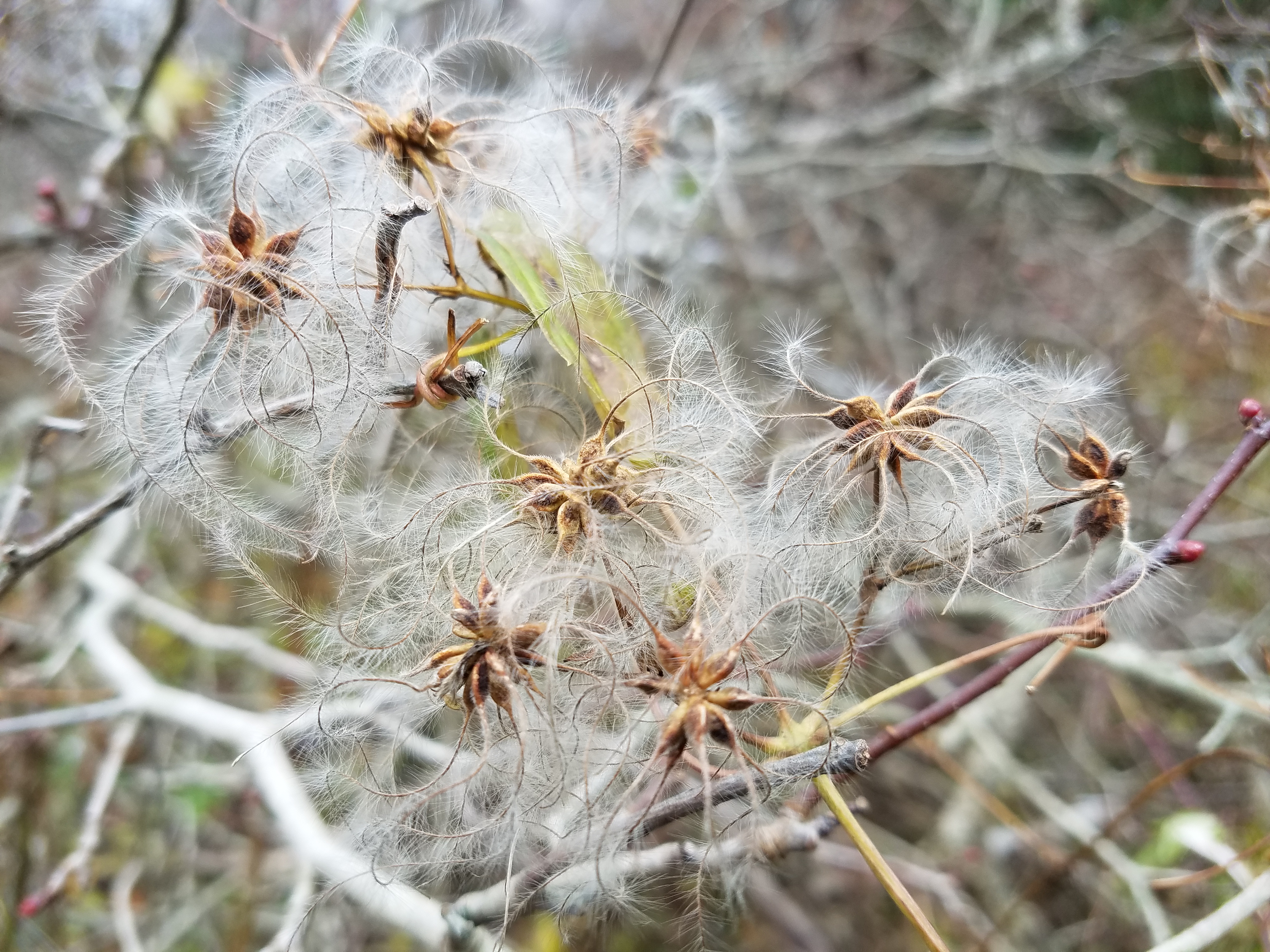
This is a good time of year, soon after leaf-drop, to revisit trails you hiked earlier this year. The bare trees and shrubs allow you to witness nature signs you may have missed during the growing season because they were obscured by a green cloak of leaves. Watch for bird nests, located both high in mature trees (e.g., red-tailed hawk, American crow, Baltimore oriole) and low in shrubs, saplings, and small trees (e.g., American goldfinch, catbird, yellow warbler). Nests you observe can often be identified to species using the Peterson Field Guide to Eastern Birds’ Nests. You may also discover leafy squirrel nests and bald-faced hornet nests (see photos above).
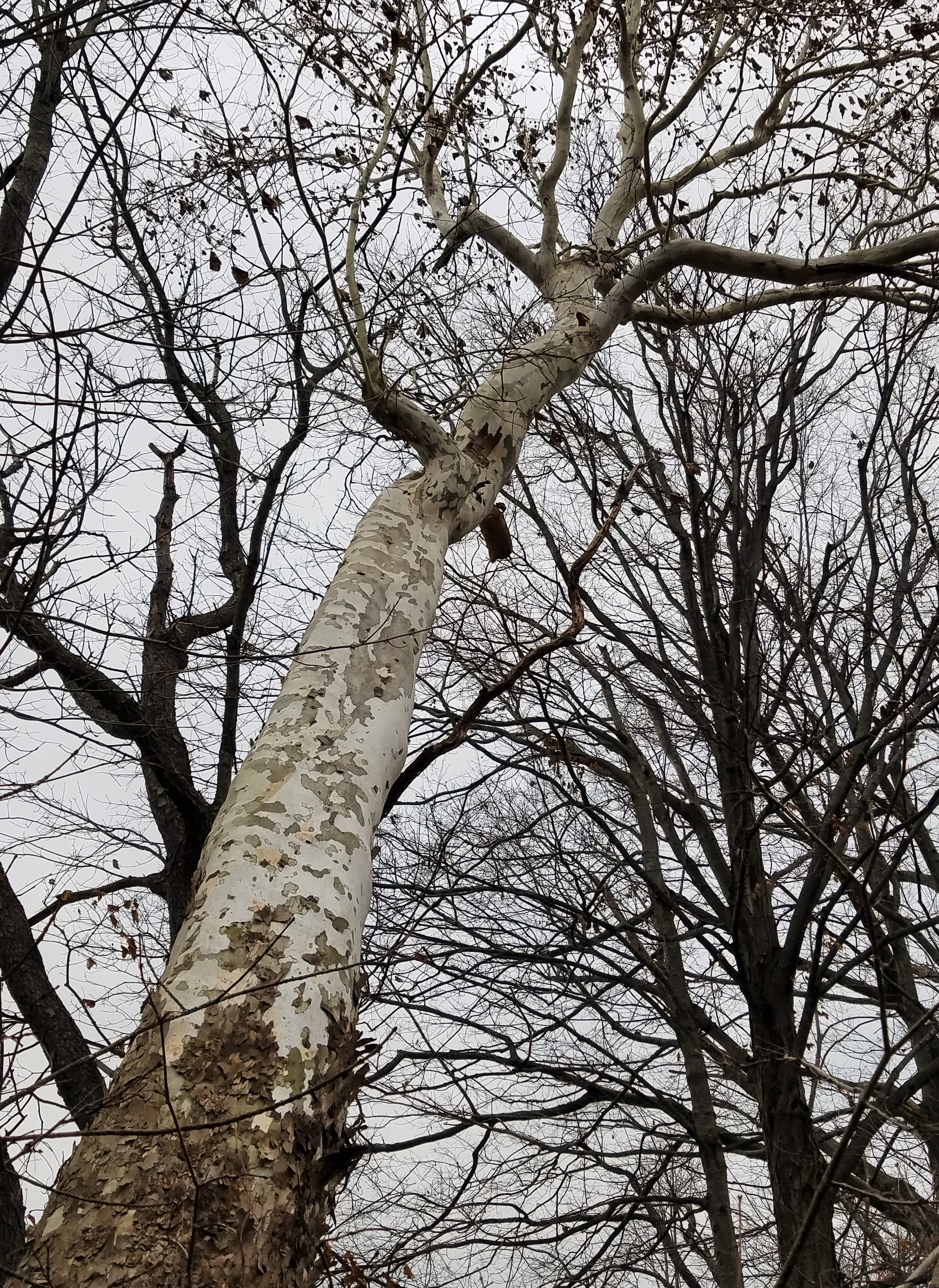
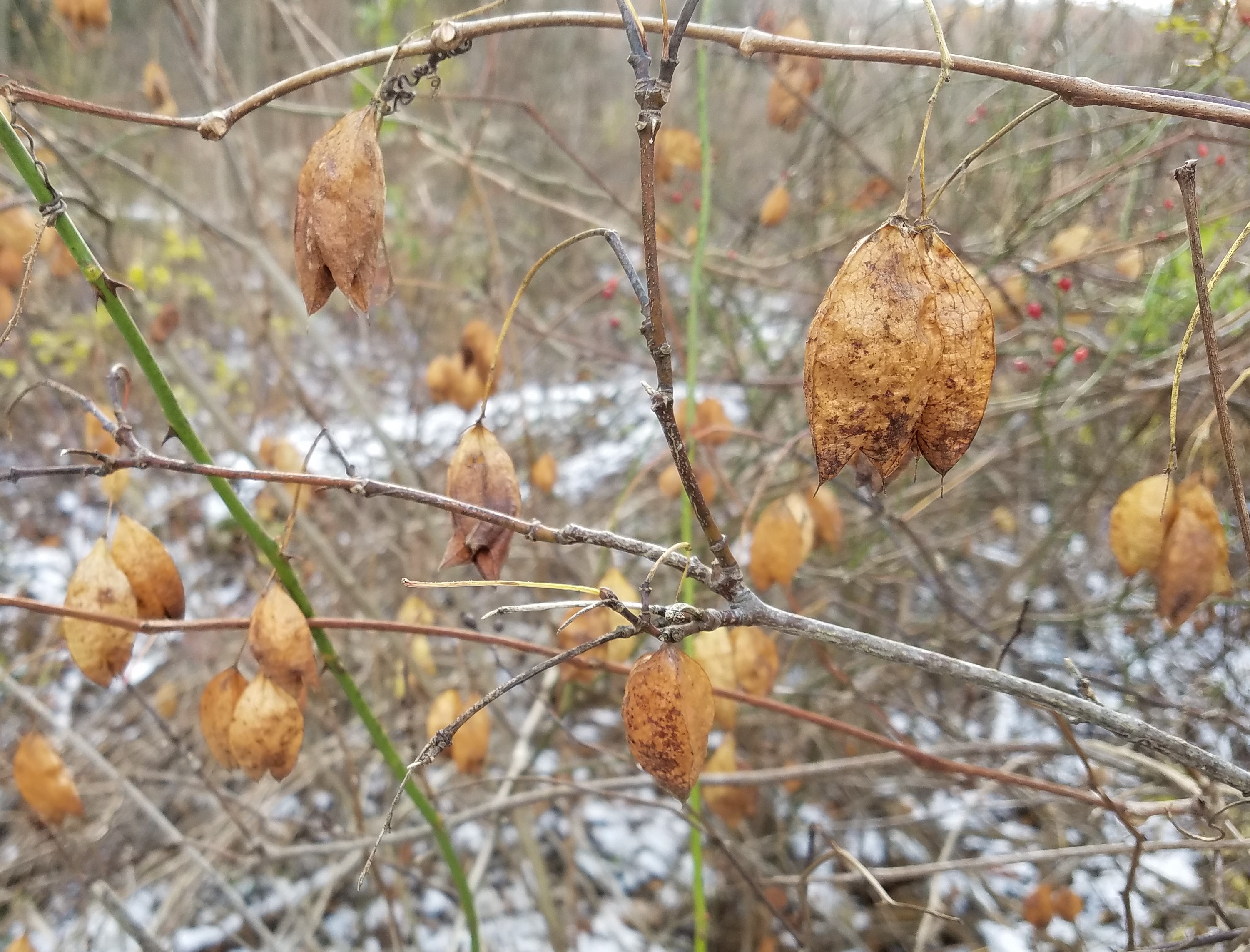
Many other nature signs are more easily observed this time of year. Watch for animal burrows (e.g., woodchuck, red fox), unusual tree bark (e.g., American sycamore – see photo above), magnificent trunks and buttressed roots of large trees, odd growths such as tree burls, large tree cavities that serve as suitable nest sites for owls and daytime retreats for raccoons and opossums, evergreen plants (e.g., Christmas fern, evergreen wood fern, clubmosses, mosses, lichens), milkweed pods (bursting with seeds), and plant galls (e.g., goldenrod gall [midge], willow cone [midge], pin oak/horned oak gall [wasp]) that may not have been evident earlier in the year.
If you prefer to explore a new trail, there is no shortage in the Buffalo-Niagara Regions – see the list of publicly accessible nature sites on this web page (alphabetized by City/Town) and use the 3rd to last column to find those that have established trails.
Nature Highlights this Week:
Below are some of the nature happenings you can expect to find outdoors in the Buffalo-Niagara Region this week. Those in bold/italics are new or substantially revised highlights to watch for this week. Consult the Species Lists tab on this web site for complete lists of amphibians, reptiles, birds, and mammals that may be found in the Buffalo-Niagara Region. Check out the list of 300 publicly accessible nature sites on this web page to find areas to explore in your neighborhood and throughout the Buffalo-Niagara Region.
Average Sunrise/Sunset (Day Length):
- 7:25 AM/4:43 PM EST (9 Hours, 18 Minutes)
- 6 Hours, 3 minutes of daylight shorter than at Summer Solstice
Typical Weather:
- Normal High Temperature: 42.0° F Normal Low Temperature: 29.5° F
- Warmer than normal temperatures are forecast to continue this week, and the long dry spell will end with about 2 inches of rain in the forecast.
Lake, Pond, Stream & Wetland Conditions:
- The Lake Erie water temperature off Buffalo dropped to 51°F (6° warmer than the long-term average of 46°) and the Lake Ontario water temperature off Greece (Monroe County) dropped to 52°F as of November 26, 2026.
- Water levels in most interior wetlands and vernal pools remain low but will continue to rise in response to reduced evapotranspiration rates and moderate to heavy rainfall forecast for early this week.
- Similarly, the water level in most ponds is low but will continue to rise.
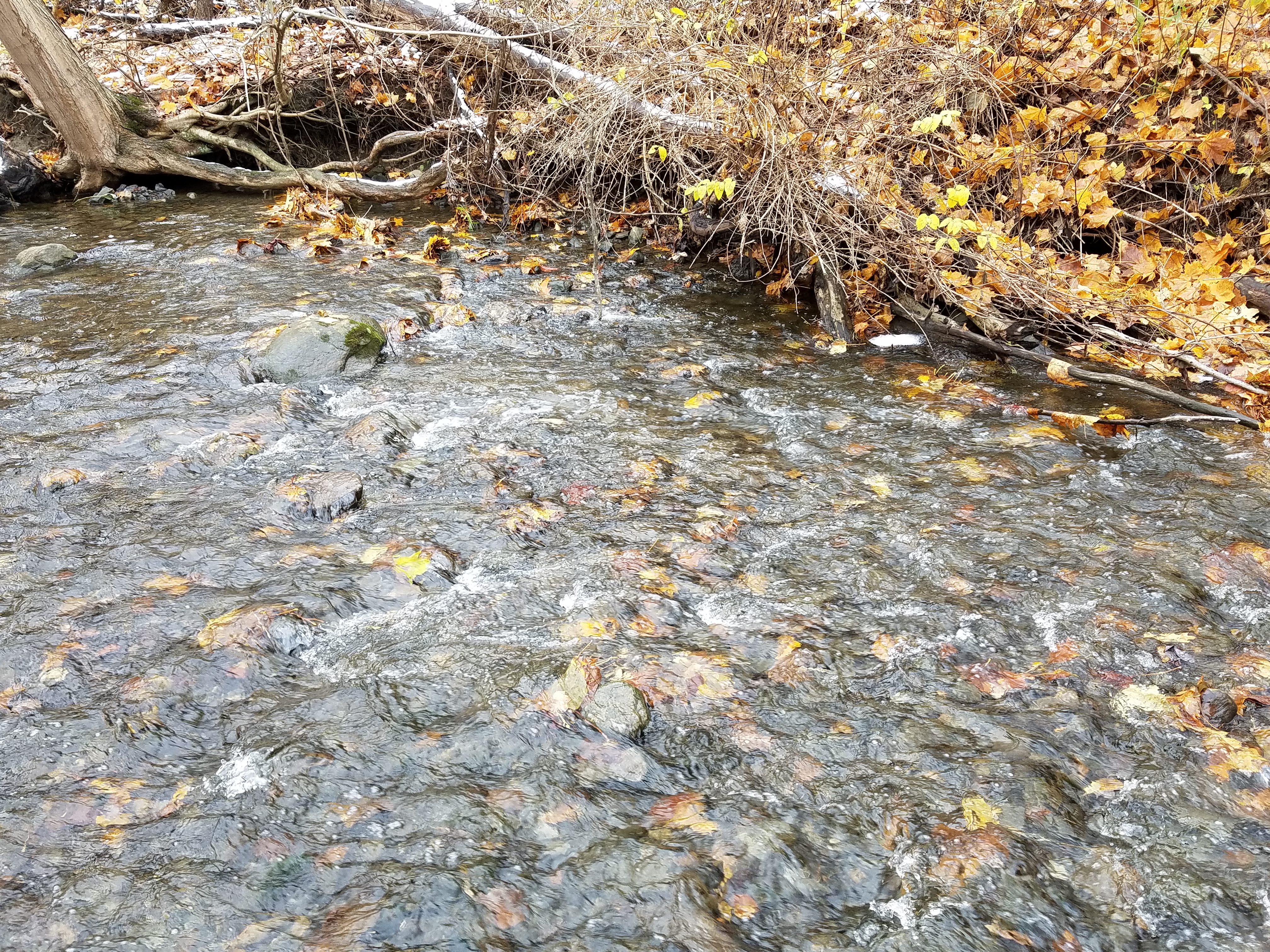
- Most streams will exhibit low to moderate flow levels this week.
Fungi:
- The hard frost/freeze we experienced over the past week extinguished most fungal fruiting bodies. The fungal “roots” (mycelium network) will survive the winter and produce new fruiting bodies during the appropriate season next year. Interestingly, fruiting bodies of some species of fungi (e.g., oyster mushrooms) remain viable during the winter and may disseminate spores during warm periods or in early spring.
Ferns and Grasses/Sedges/Rushes:
- The hard frost/freeze we experienced over the past week killed remnant grass, sedge, and rush stems (thus known as a killing frost). The roots of these perennial plants will survive and sprout next spring.
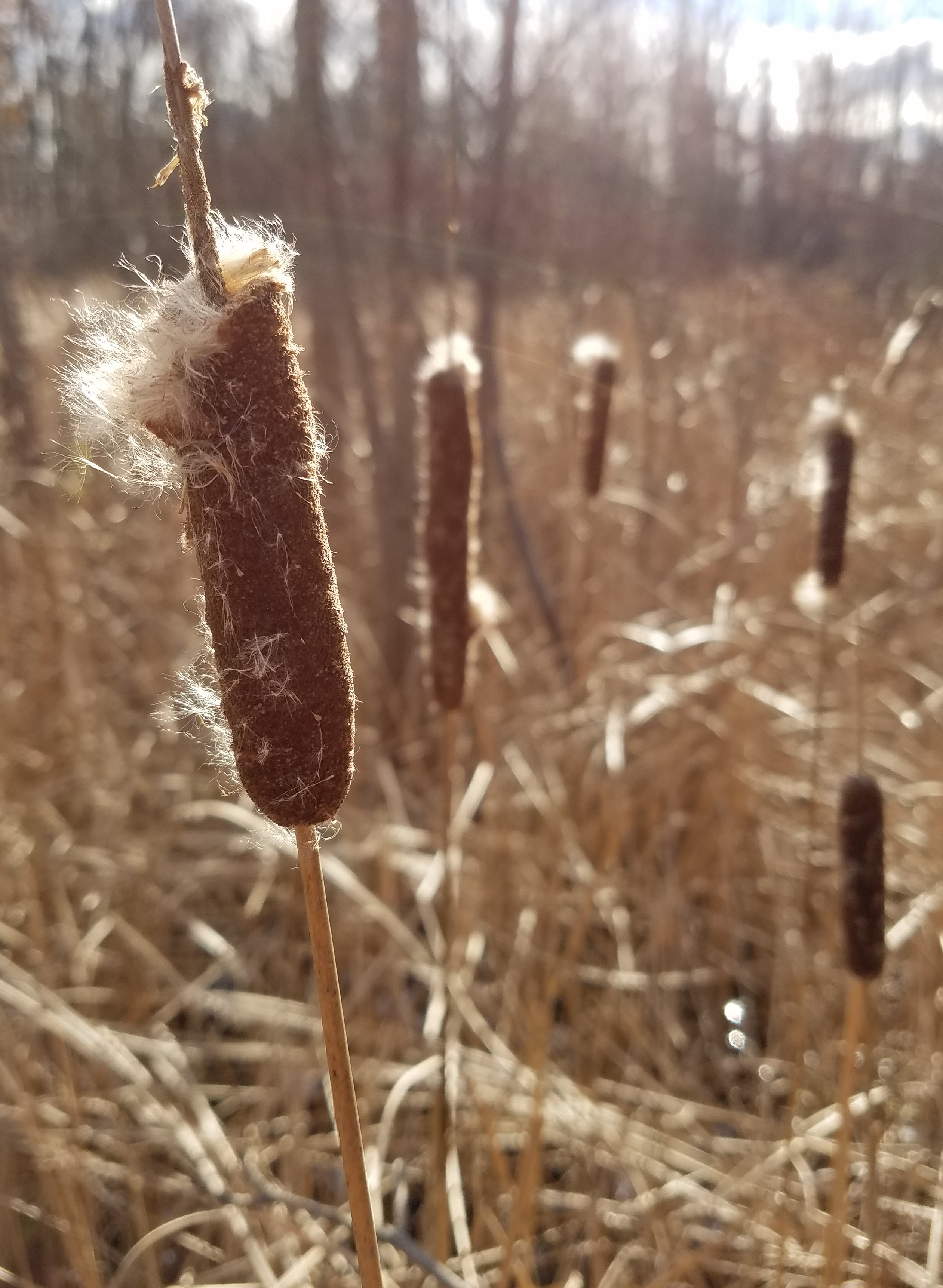
- Broad-leaf and narrow-leaf cattail fruits are disintegrating, releasing thousands of tiny fluffy seeds to the wind.
Wildflowers:
- The hard frost/freeze we experienced over the past week killed remnant wildflower stems (thus known as a killing frost). Roots and rhizomes of perennial wildflowers will survive and sprout next spring. Seeds of annual wildflowers will do the same.
- This is bur season so be watchful where you (and your dog(s)) walk. Several local plants have adapted a hitch-a-ride strategy that capitalizes on animal disbursal. Those currently in fruit include common burdock and multiple species of bur marigold and avens.
Trees and Shrubs:
- Most trees and shrubs have shed their leaves over the past few weeks, transforming a brightly colored landscape to one dominated by browns and grays.
- Many American beech leaves remain clinging to limbs but have now changed to brown. Some beech trees will hold their leaves the rest of the winter.
- Most willows, Tartarian and Morrow’s honeysuckles (both non-native), and common and glossy buckthorn (both non-native) are finally dropping their leaves.
- The availability of hard and soft mast is noticeably less abundant now as squirrels, chipmunks, white-tailed deer, wild turkey, and other wildlife have consumed a large amount over the past several weeks.
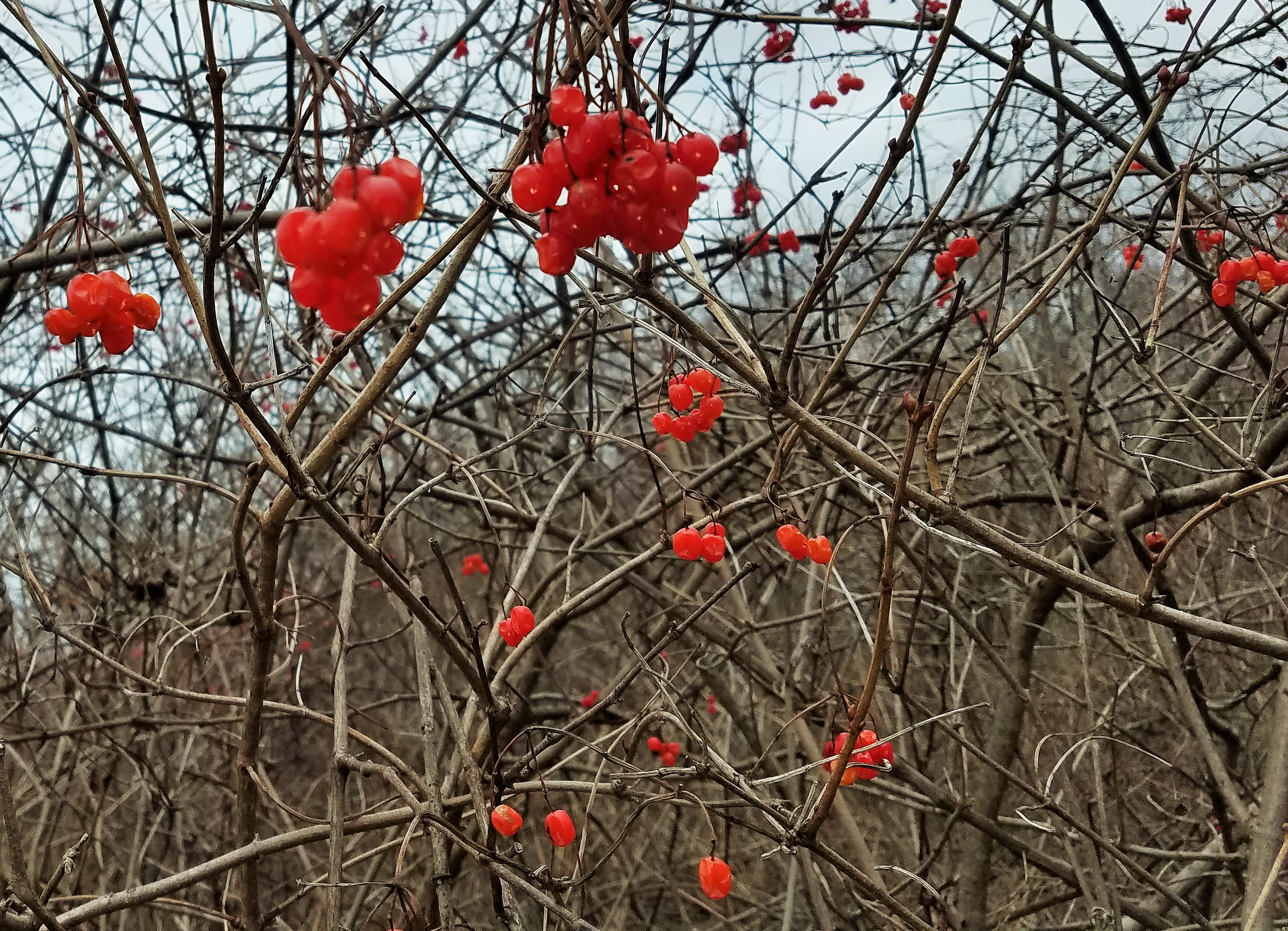
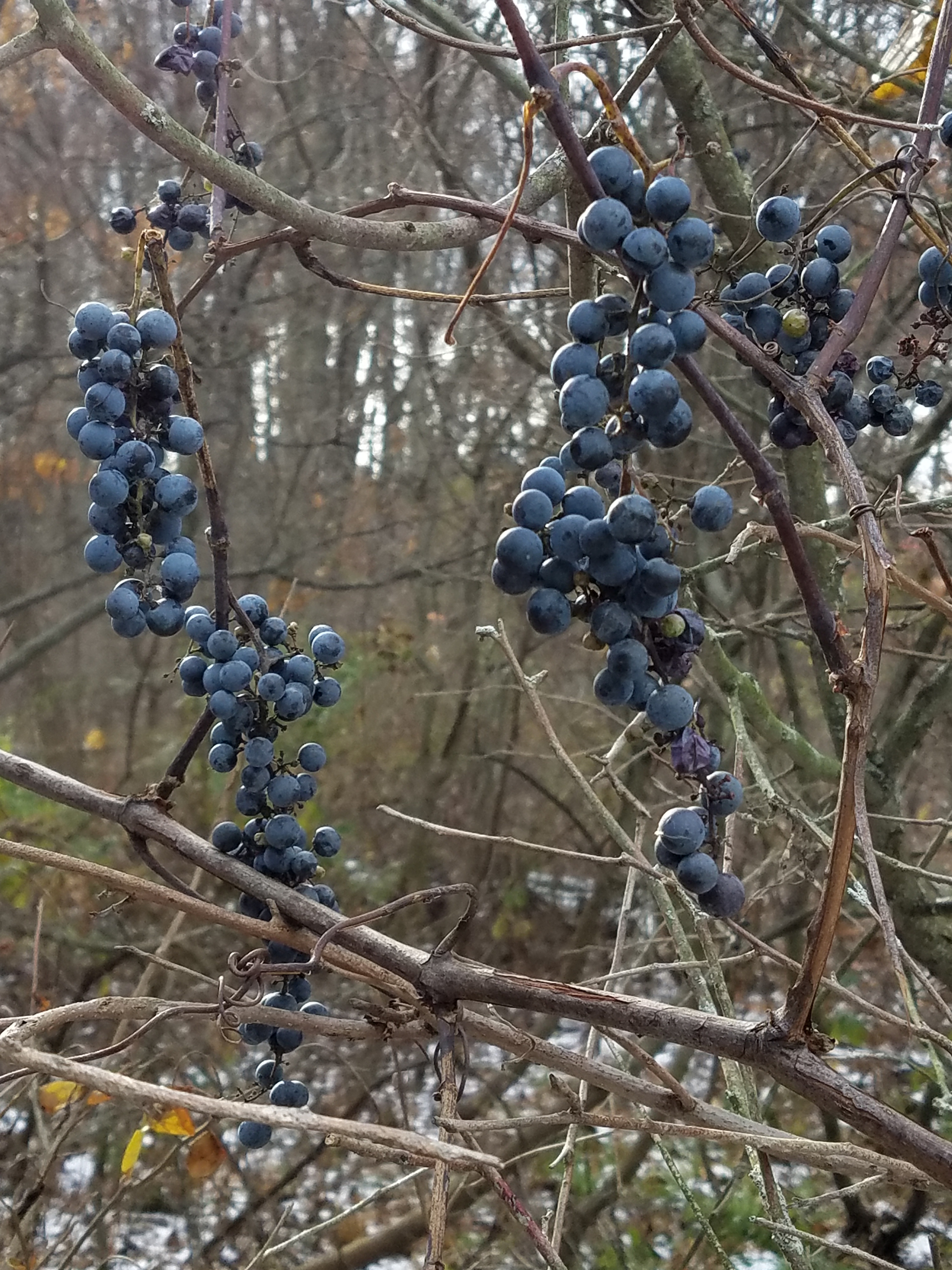
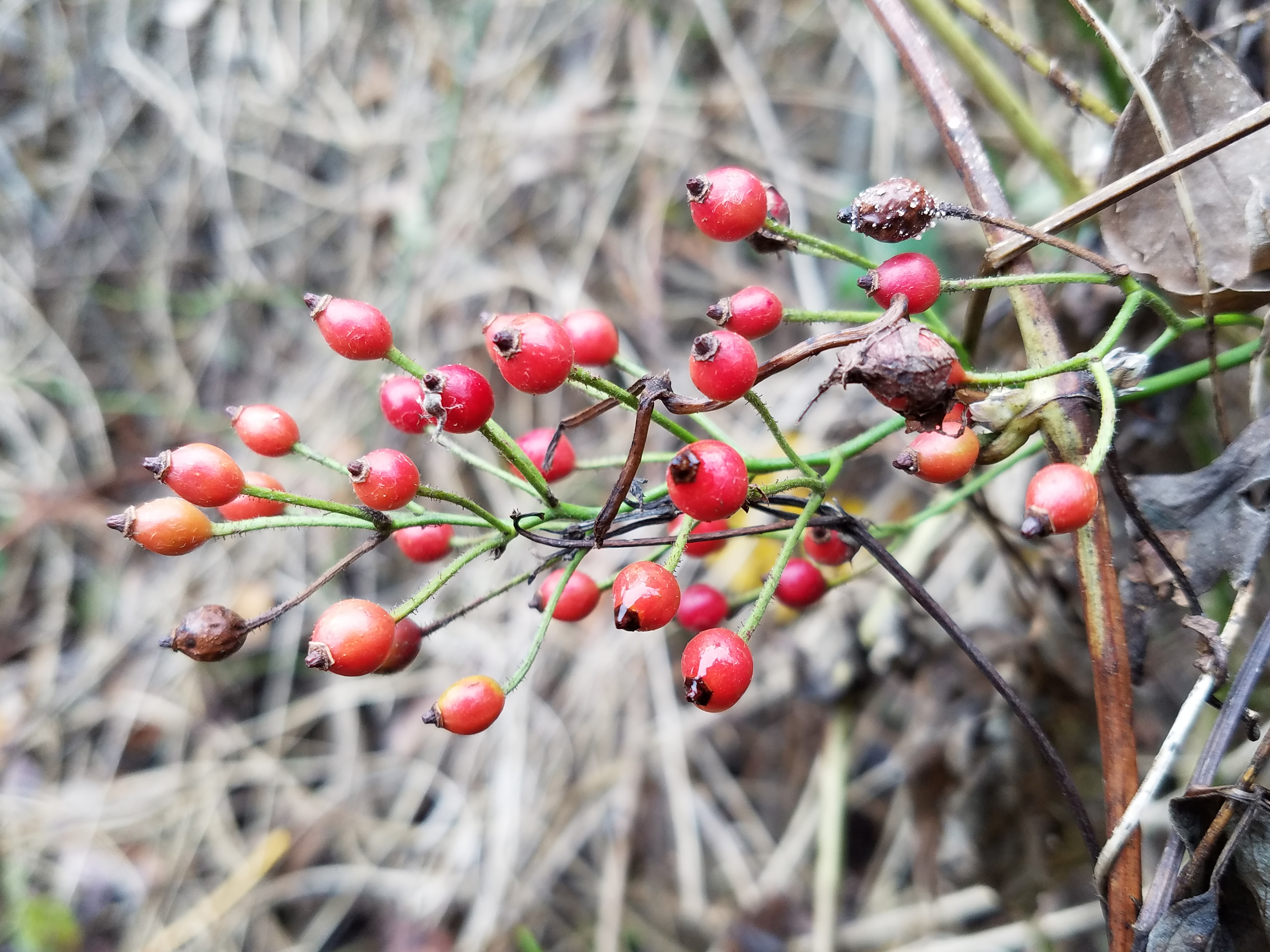
- Several native trees, shrubs, and vines continue to provide ripe fruit (soft mast) that is an important source of food for a variety of birds and mammals: winterberry, cranberry viburnum, staghorn sumac, swamp rose, poison ivy, and wild grape.
- In addition, the following non-native species provide ripe fruit (soft mast) consumed by wildlife: multiflora rose, autumn olive, and common buckthorn.
Insects & Other Invertebrates:
- The hard frost/freeze we experienced over the past week killed most adult insects and other invertebrates that have not migrated or entered hibernation. The vast majority of insect species in our Region over-winter as eggs or larvae/nymphs, although some species over-winter as adults.
- Monarch butterflies that spent the summer in the Buffalo-Niagara Region or migrated through here in late summer and early fall have traveled well south. Monarchs from the eastern United States are now reaching overwintering colony sites in Mexico.
Fish:
- Many species of fish have moved into shallower areas and are feeding more heavily as water temperatures have cooled, including muskellunge, walleye, smallmouth bass and schools of yellow perch.
- Chinook salmon (AKA king salmon) and coho salmon are mostly done spawning in Great Lakes tributary streams and the Lower Niagara River. These salmon die after spawning. Both species are native to Pacific coast watersheds.
- Historically, Atlantic salmon (AKA landlocked salmon) followed a similar spawning pattern in the Lake Ontario. However, Atlantic salmon do not die after spawning. This native and one-time abundant species was nearly extirpated in the late 1800’s. Restoration efforts are underway in New York State and the Province of Ontario, Canada.
- Another native species, lake trout, continues to spawn in shallow rocky/gravelly shoals of the Great Lakes and Lower Niagara River.
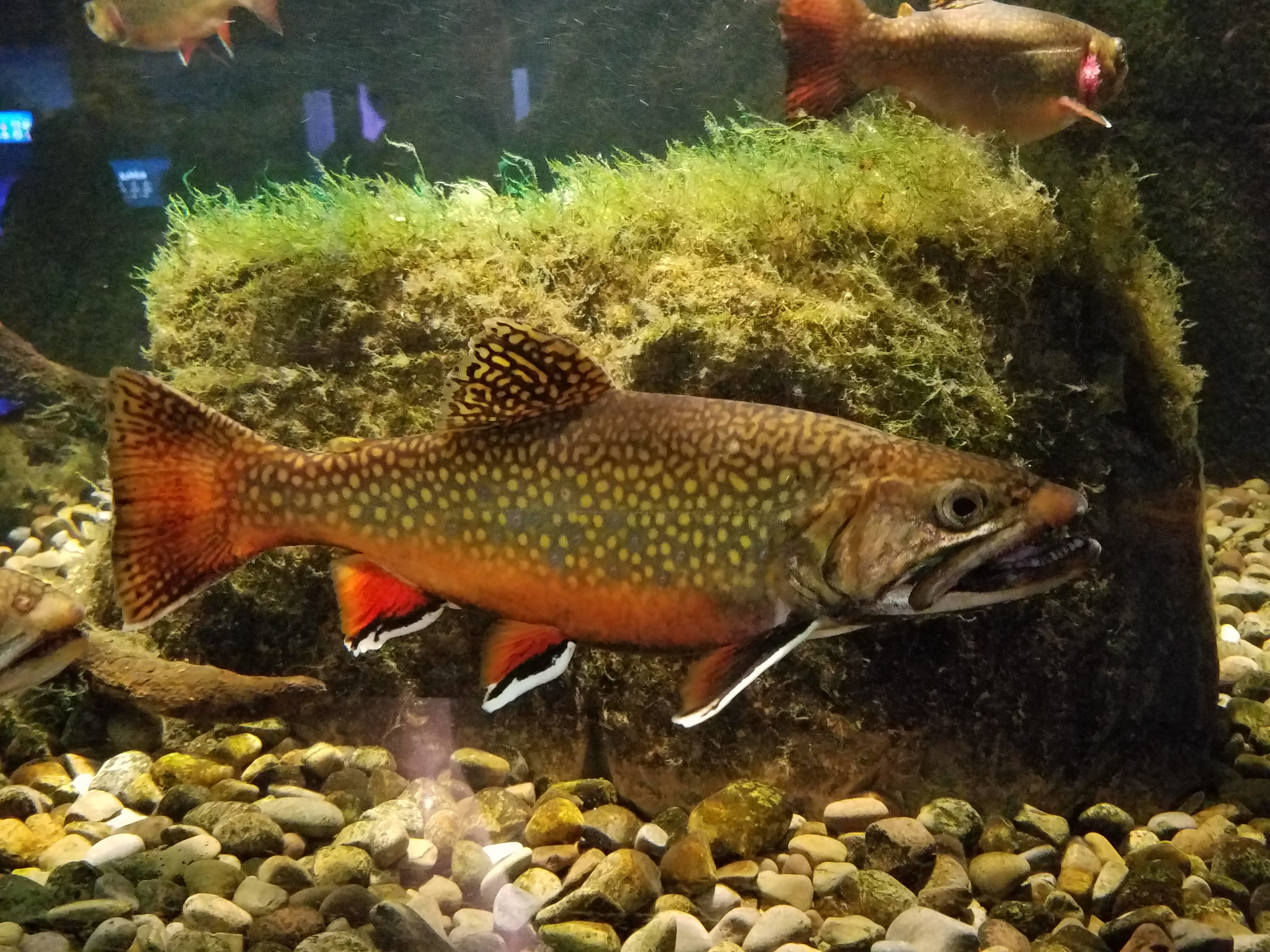
- Native brook trout (our state fish species) continue to spawn in riffles and shallow areas of small headwater streams at this time. Male brook trout develop a hook on the lower jaw and are ornately colored at this time of year.
- Steelhead continue to run up Great Lakes tributaries and the Lower Niagara River at this time. Spawning does not occur until late winter and early spring. Steelhead are an anadromous form of rainbow trout that spawn in streams but live most of their lives in Lakes Erie and Ontario. All forms of rainbow trout are native to Pacific coast watersheds.
- Brown trout continue to run up Great Lakes tributaries and the Lower Niagara River. Spawning typically occurs from late October to December in these tributaries. In headwater streams, where brown trout have been stocked, they typically spawn a little later than brook trout. Brown trout were introduced from Europe.
Amphibians & Reptiles:
- With the onset of winter weather, essentially all amphibians and reptiles are now in a state of cold-weather dormancy called brumation.
Water & Shore Birds, Gulls & Terns:
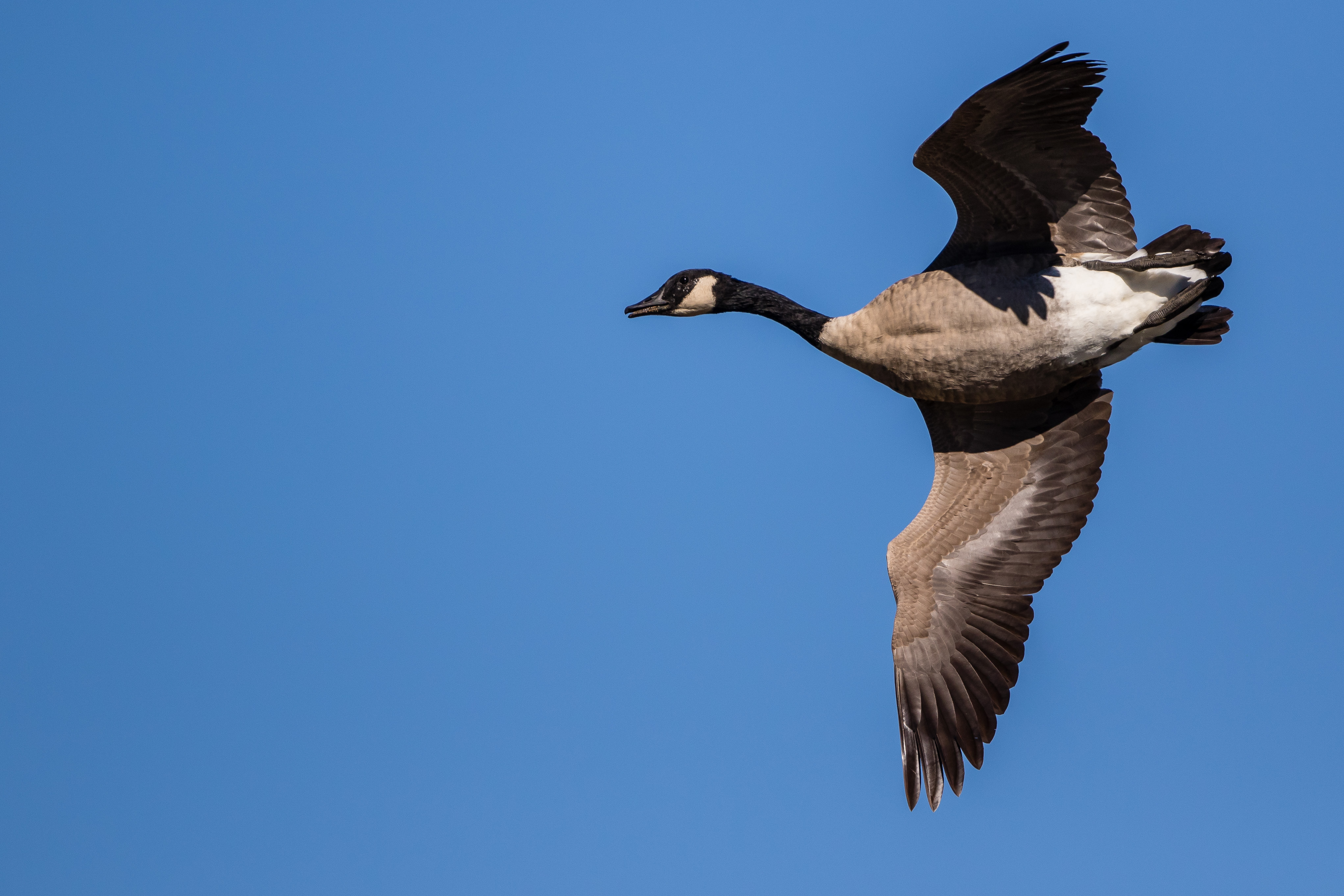
- Watch and listen for migrant Canada goose flocks that will continue to pass overhead. Some will stop-over in our region to rest and feed on their journey south.
- The annual buildup of “sea ducks” and similar waterbirds that over-winter in the Great Lakes and Niagara River continues with arrivals of common loon, red-throated loon, red-necked grebe, horned grebe, greater scaup, lesser scaup, canvasback, redhead, common goldeneye, bufflehead, white-winged scoter, surf scoter, black scoter, long-tailed duck, common merganser, and red-breasted merganser.
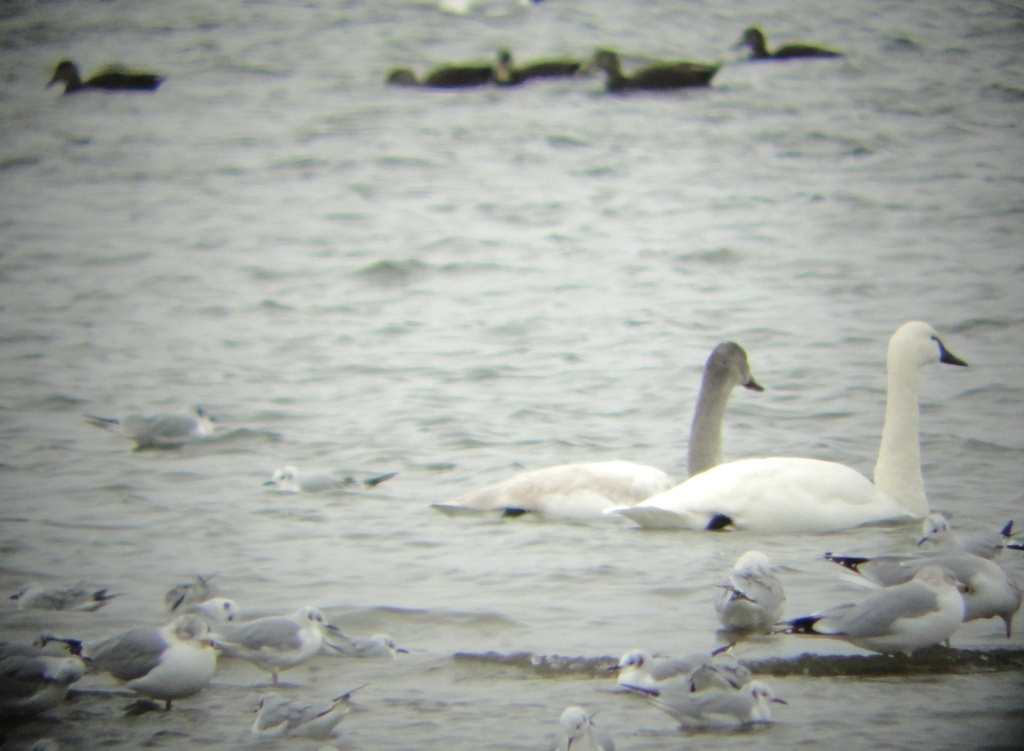
- Watch for migrant tundra swans congregating in open waters along the upper Niagara River (especially off Beaver Island, Buckhorn, and Niagara Falls State Parks).
- This continues to be a good time to look for purple sandpipers feeding in rocky habitats above Niagara Falls.
- Bonaparte’s gull numbers will continue to build in the region this week, using the Niagara River as a significant stop-over feeding area along their migration route south. This species will reach its peak fall numbers in the region in November and December when thousands may be observed along the Niagara River.
- This is an excellent time to watch for rare species of gulls such as Franklin’s, little, black-headed, California, Iceland, lesser black-backed, Glaucous, Sabine’s, and black-legged kittiwake among more common species such as recent arrivals of Bonaparte’s and greater black-backed gulls. Such rarities add to the remarkable diversity of gull species – 19 species total – that have been observed along the Niagara River and bordering Great Lakes. The peak time is typically between mid-November and mid-January.
Birds of Prey:
- Bald eagles can be found along the upper and lower Niagara River where good numbers will over-winter.
- The pace at which winter resident raptors arrive in the Buffalo-Niagara Region typically accelerates at this time, especially in areas with extensive open grassland habitats. These winter raptors include northern harriers, rough-legged hawks, snowy owls, short-eared owls, and long-eared owls.
- Snowy owls may be found along Great Lakes shorelines, such as the Buffalo waterfront, where they feed on ducks and other waterbirds.
Upland Game Birds:
- Watch for wild turkey flocks in farm fields, along forest edges, and near bird feeders.
Songbirds:
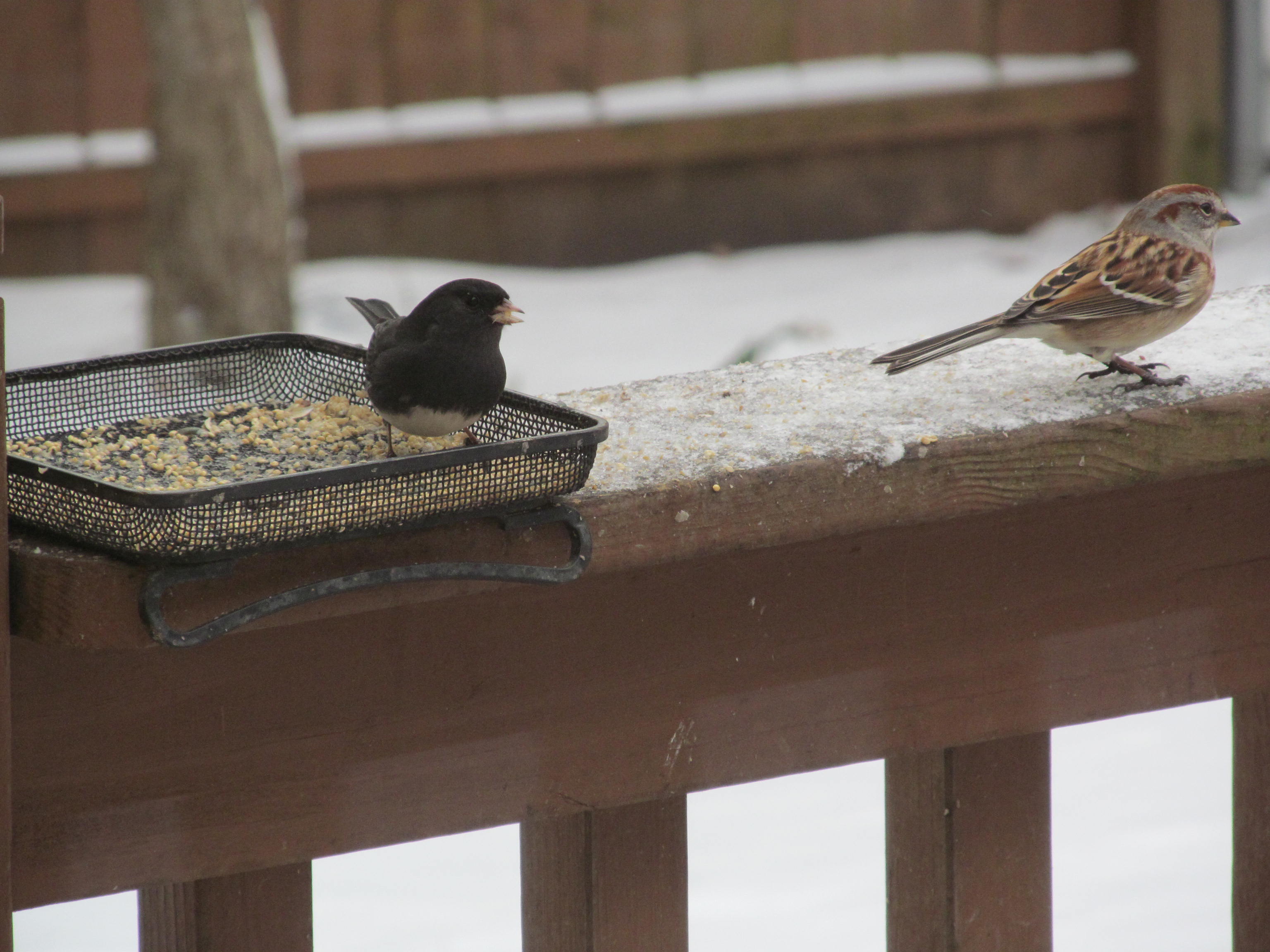
- Bird feeders are excellent locations to watch for arrivals of more typical migrant and over-wintering feeder birds such as dark-eyed junco, white-throated sparrow, white-crowned sparrow, fox sparrow, song sparrow, and American tree sparrow. Place seed such as white millet in ground feeders or directly on the ground to attract many of these migrants.
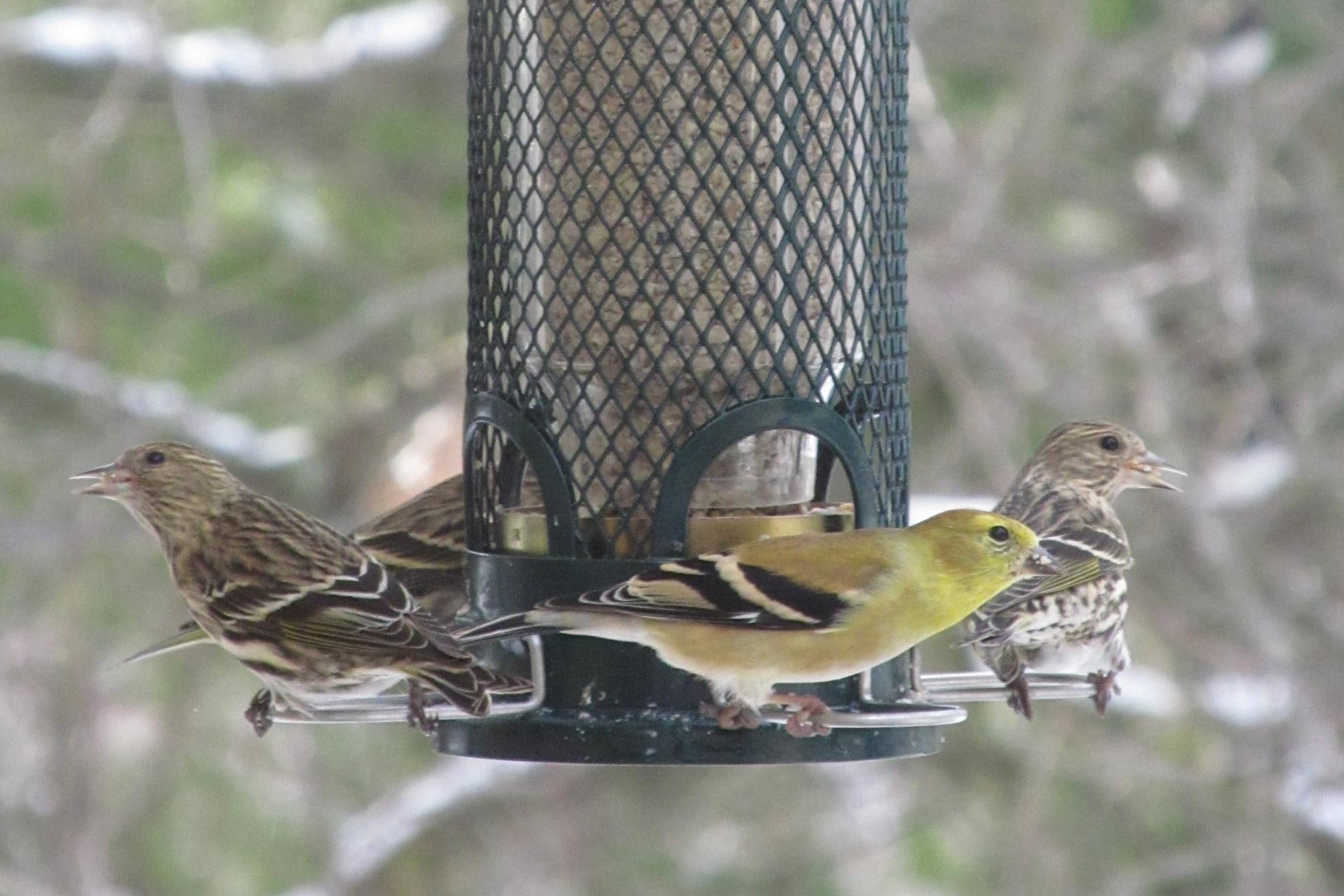
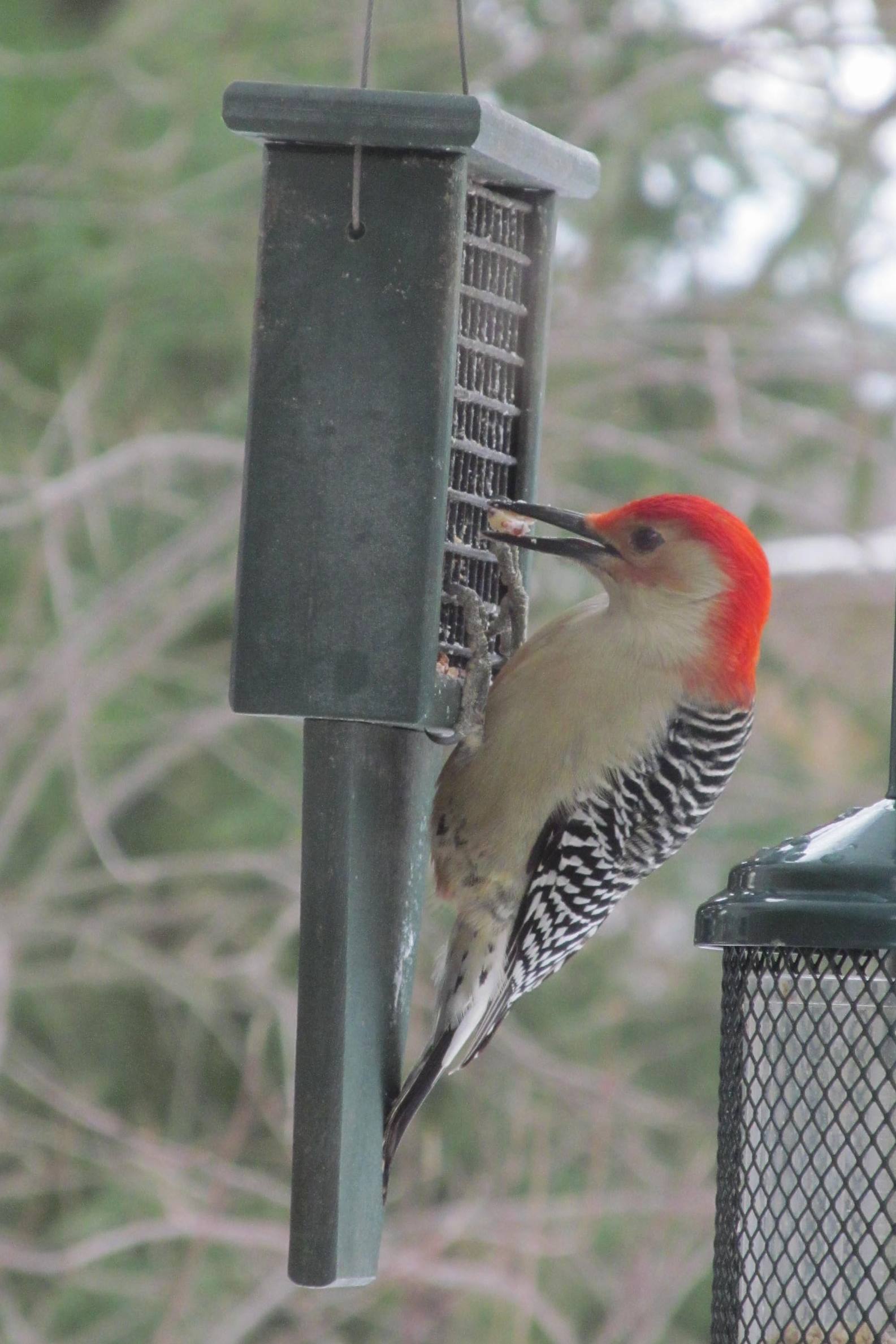
- Bird feeders will continue to be active with year-round resident birds such as mourning dove, downy woodpecker, hairy woodpecker, red-bellied woodpecker, black-capped chickadee, tufted titmouse, white-breasted nuthatch, blue jay, northern cardinal, house finch, and American goldfinch.
- Good tips for feeding birds are available from the Cornell Lab of Ornithology, online at http://www.birds.cornell.edu/AllAboutBirds/notes/BirdNote01_WinterFeeding.pdf
- If you don’t have a feeder of your own, consider visiting a local nature center (see the 2nd to last column in the list of publicly accessible nature sites on this web page.
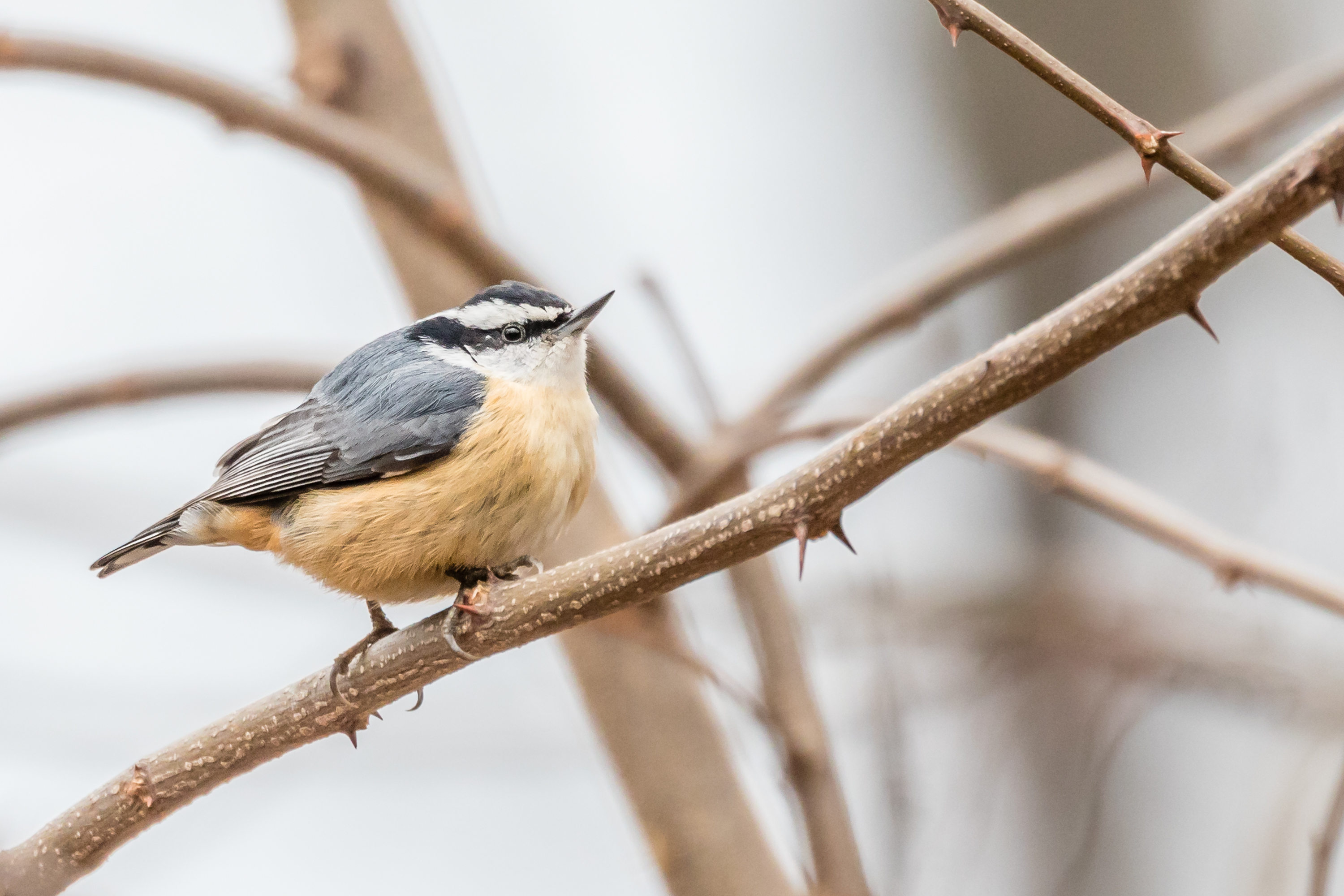
- The following “short-distance” migrant songbirds are passing through on their journey south or over-wintering in our region: brown creeper, red-breasted nuthatch, golden-crowned kinglet, dark-eyed junco, white-throated sparrow, American tree sparrow, purple finch, and pine siskin.
- Watch for red crossbills and white-winged crossbills, species that typically do not venture this far south in most winters, as a “mini irruption” is underway.
- The northern shrike, a predatory passerine that breeds in Canada and Alaska, will continue to arrive in the Region. Watch for them on prominent perches overlooking open and brushy habitats.
- Small flocks of horned larks are being joined in open farmland and other tundra-like habitats by snow buntings and Lapland longspurs. Many will over-winter in our region.
- Most eastern bluebirds, American robins, eastern meadowlarks, red-winged blackbirds, common grackles, brown-headed cowbirds, and summer resident sparrows have now left the Region for southern climes.
- While most American robins have migrated south, small to medium sized flocks may still be encountered.
- Most songbirds that breed and/or migrate through our Region have migrated far south. For example, house wrens and Eastern phoebes are now found across the Southeastern states and into Mexico. Baltimore orioles, ruby-throated hummingbirds, and barn swallows are mostly in the deep Southeastern states, Mexico, and Central America. Most other neotropical migrants (e.g., wood thrushes, scarlet tanagers, yellow warblers, Blackburnian warblers) are now found in Central and northern South America.
- To stay abreast of bird sightings in the region, consult eBird Explore features.
Mammals:
- Resident species of cave bats (big brown, little brown, and eastern pipistrelle [tri-colored] bats) have entered hibernation. Most woodchucks have also started their winter hibernation. Two other species of true hibernators, meadow jumping mouse and woodland jumping mouse, have also begun hibernation.
- While a few eastern chipmunks are still active, most will enter torpor soon. In this state, which is not a true form of hibernation, chipmunks sleep but arouse frequently to feed on hoarded food. They may forage aboveground during mild weather.
- Tree bats that spend the summer in the Buffalo-Niagara Region (eastern red, silver-haired, and hoary bats are now overwintering in southern states.
- Gray squirrels and southern flying squirrels continue to actively gather and store acorns and other mast for winter. Similarly, red squirrels form middens of pine and spruce cones.
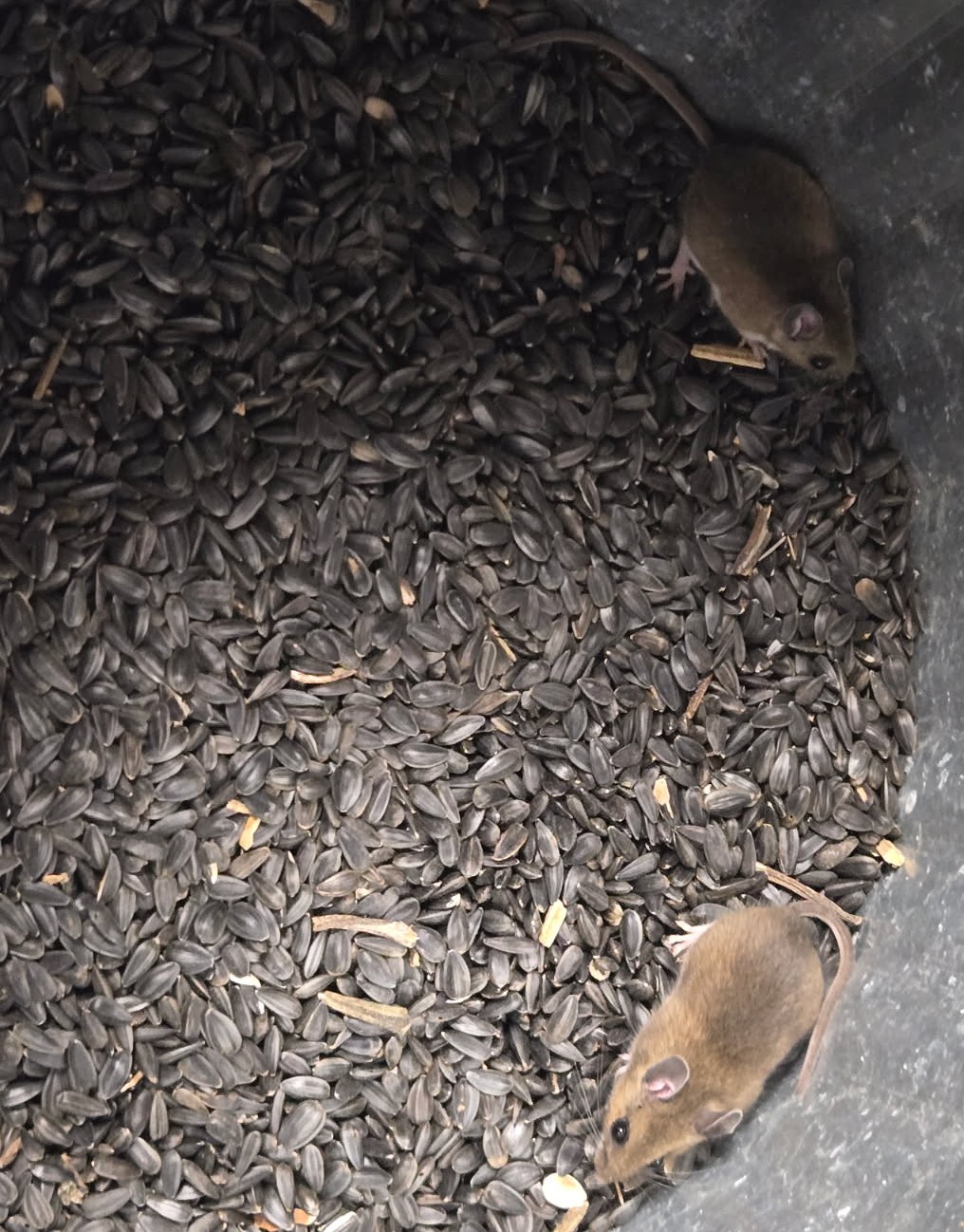
- White-footed mice and deer mice prepare for winter by building nests in woodpecker holes, bird houses, and squirrel leaf-nests. Some rehab old bird nests by adding a roof and insulation. These mice often cross paths with homeowners this time of year as they seek shelter in sheds, garages, and houses – along with non-native house mice.
- Beavers cut more trees this time of year, in preparation for winter. They will cut, transport, and cache cut branches in shallow water near their lodges for wintertime feeding.
- Beavers are also actively building and repairing dams and lodges at this time.
- Ermine (AKA short-tailed weasel) are molting from brown to white pelage at this time.
- Deer courtship (the “rut”) continues this week. Does become more active as they start estrus and bucks are often seen following them. As a result, the frequency of deer-car collisions increases sharply during the rut, from mid-October through December.
- Continue to watch for white-tailed deer buck rubs. Bucks actively rub saplings and small trees, depositing scent from forehead glands.
- Bucks will continue to make scrapes by pawing away leaves to expose soil, then urinating over the scraped area to deposit scent from tarsal glands. They typically mouth and rub their antlers on an overhanging branch, depositing even more scent.
- Black bears, an uncommon species in the Buffalo-Niagara Region but increasingly common to our south, typically enter carnivorous lethargy at about this time. In this state, which is not a true form of hibernation, a bear’s heart rate is significantly lowered but body temperature falls only about 10°F (substantially smaller drop than for true hibernators).
Be sure to find an opportunity to get outside this week to discover signs of the season.
Chuck Rosenburg

